Our Issues
Our Issues
Air pollution is a public health crisis. We tackle it from four fronts — outdoor air quality, zero-emission transport, safe roads, and environmental justice.
The Crisis
Uganda's Air Is Poisoning Its People
Outdoor air pollution is one of the leading environmental health risks globally. In Kampala, roadside pollution levels often exceed World Health Organization guidelines by several multiples — and many Ugandans pay with their lives.
The 2021 data is stark: roadside NO₂ concentrations exceeded recommended limits by over 500%, PM2.5 by more than 300%, and PM10 by over 120%. According to estimates by World Health Organization, air pollution contributes to over 13,000 premature deaths annually in Uganda and costs the economy trillions of Uganda shillings each year.
Yet the public barely notices, because pollution is invisible — until it is not. Clean air campaigns in Uganda are working to make the invisible visible, quantifying the human cost and demanding urgent action.
The Pollutants Harming Uganda
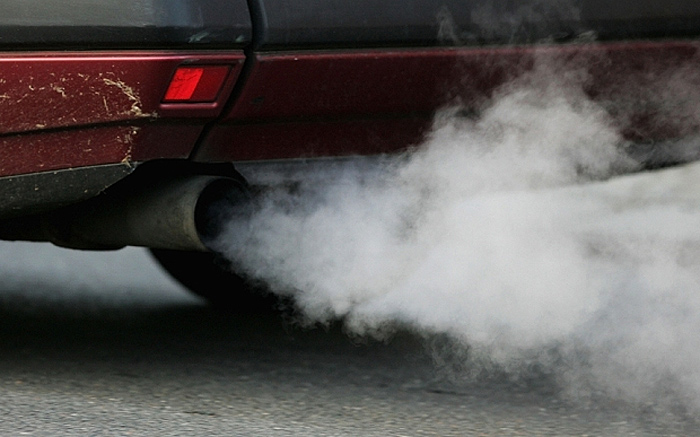
Produced mainly by diesel engines. Causes respiratory inflammation, worsens asthma, and is linked to heart disease. Kampala’s 2021 roadside level: over 500% above WHOguideline.
Microscopic particles that penetrate deep into the lungs and bloodstream, causing cancer, strokes, and heart attacks. Kampala’s 2021 roadside level: over 300% above WHO guideline.
Larger particles that irritate the nose, throat and lungs. Worsen bronchitis and chronic lung diseases. Kampala’s 2021 roadside level: over 120% above WHO guideline.
A secondary pollutant formed when NOx and VOCs react in sunlight. Causes chest tightness, coughing and lung damage, worsening in dry seasons.
The Health Toll
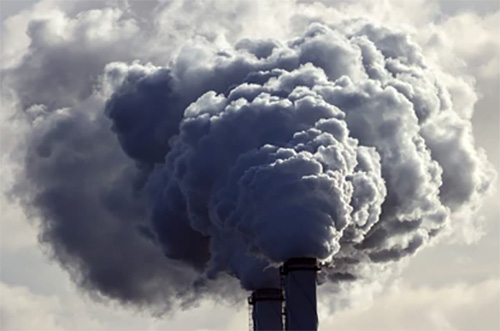
Air pollution doesn’t discriminate — but it hits the vulnerable hardest. The science is unambiguous:
- Cardiovascular disease — 1 in 3 deaths from stroke and heart disease are linked to air pollution exposure
- Respiratory illness — chronic exposure stunts lung development in children and accelerates decline in adults
- Neurological harm — emerging evidence links long-term PM2.5 exposure to dementia and cognitive decline
- Harm to children — foetal exposure to NO₂ linked to low birth weight and premature delivery
- System strain — over 2.2 million doctor visits and 127,000 hospital bed-days annually in Uganda alone
What CAN Is Doing About It
Getting Ahead: The Case for Zero-Emission Buses
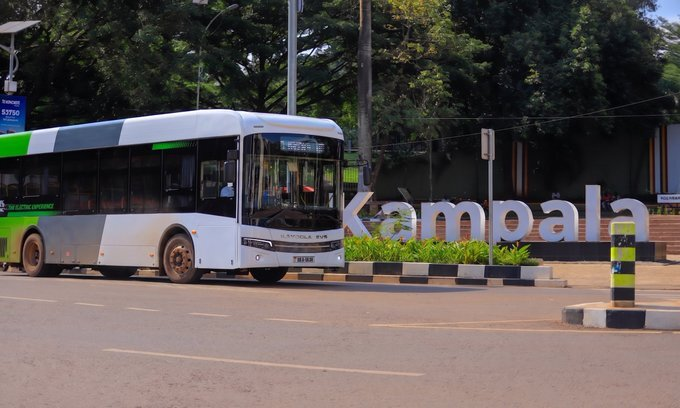
Commercial vehicles — particularly Kampala’s thousands of diesel-powered taxis and buses — are responsible for over 80% of roadside air pollution in Kampala. Electrifying the public transport fleet is one of the most impactful steps Uganda can take to improve urban air quality.
As of 2024, less than 1% of Uganda’s public transport fleet is electric. Meanwhile, Shenzhen operates over 16,000 fully electric buses, London is targeting a zero-emission fleet by 2037, and Singapore has committed over UGX 3 trillion (US$800+ million) to electrify its buses by 2040.
Uganda is not moving fast enough. Clean transport campaigns and initiatives must equip government, operators, and citizens with the evidence and tools needed to accelerate the transition.
Types of Zero-Emission Buses
Create and Customize your box with beautiful Icon Style
CAN's Five Demands for Zero-Emission Vehicles.
01. A Binding Roadmap
02. Infrastructure Investment
03.Financial Subsidies
04. Regulatory Reform
05. Public Accountability
Every Journey Should Be Safe — For Everyone
Clean and safe transport go hand in hand in Kampala. Roads should not be designed only for cars. Pedestrians, cyclists, boda boda riders, children, and older adults all have an equal right to move freely and safely through the city.
In Uganda, road crashes cause over 4,000 deaths annually according to the Uganda Police Force. Vulnerable road users—especially pedestrians and motorcyclists—account for the largest share of casualties. At the same time, diesel-heavy traffic creates pollution hotspots at busy junctions, meaning pedestrians inhale the most pollution while waiting to cross.
Studies by the World Health Organization and National Environment Management Authority show that air pollution levels in Kampala often exceed safe limits, particularly along congested roads. This exposes street users to serious health risks, including respiratory diseases.
CAN advocates for a Safe System approach—redesigning roads, reducing speed limits, creating protected cycling lanes, and investing in clean public transport so people can move without risking their lives or lungs.

Our Road Safety Priorities
The Safe System Approach
CAN supports the internationally proven Safe System framework — the idea that road deaths and serious injuries are preventable, and that the system, not the individual, should take responsibility for keeping people safe.
Clean Air Is a Right, Not a Privilege
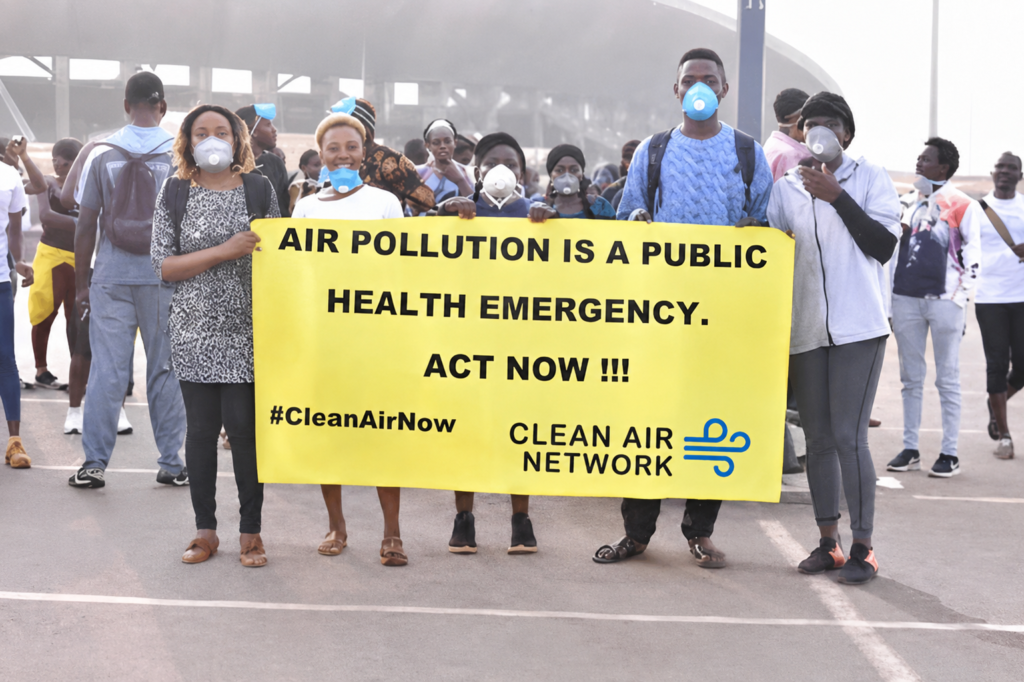
Air pollution is not experienced equally. The communities most exposed to traffic pollution are often those with the least political power and fewest resources to protect themselves. This is not an accident — it is a justice issue.
Children, the elderly, people with chronic illness, lower-income residents living near busy roads, and workers in outdoor or transport jobs all bear a disproportionate share of the health burden from dirty air. Yet these groups have the least influence over the policies that determine the air they breathe.
CAN fights for environmental justice — ensuring that the benefits of clean air are not reserved for the wealthy, and that every community has a voice in decisions that affect their health.
Who Is Most at Risk?
Children
Children breathe more air per unit of body weight than adults. Their developing lungs are uniquely vulnerable — PM2.5 exposure stunts lung growth, increases asthma risk, and can affect cognitive development. Many school routes pass through the most polluted streets.
The Elderly
Older adults already have reduced lung and cardiovascular capacity. Air pollution dramatically accelerates decline, increasing the risk of stroke, heart attack, and dementia. Many elderly residents live in older, less well-ventilated housing near busy roads.
Outdoor Workers
Bus drivers, construction workers, street vendors, and delivery workers spend hours each day in the most polluted environments. They have no choice about their exposure — but they have the most to gain from cleaner air and safer roads.
CAN's Commitments to Environmental Justice
Centre Community Voices
Data for Every Community
Demand Equitable Solutions
Protect Workers' Health
The Air Inside Can Be Worse Than Outside
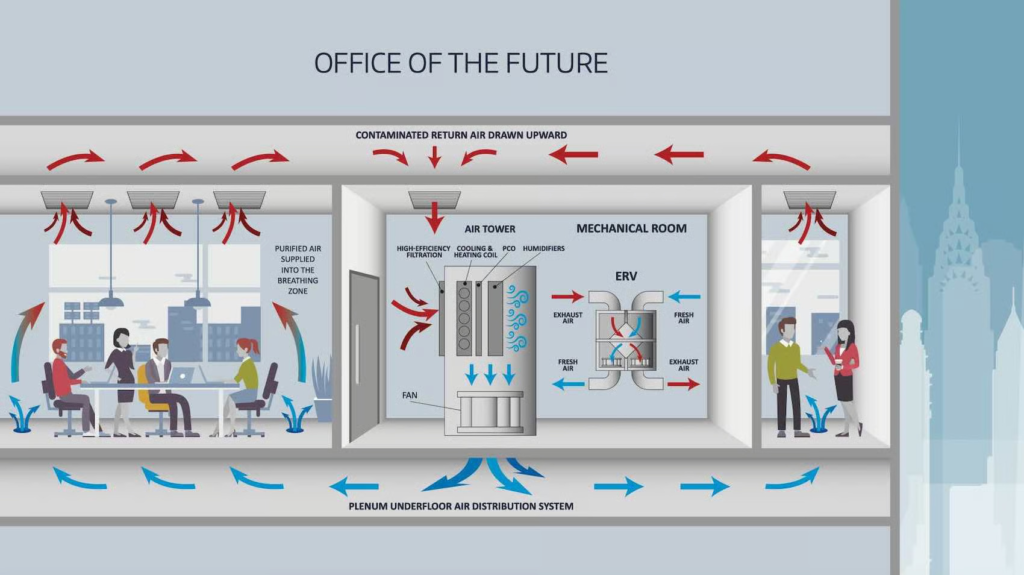
In Uganda, many urban residents—especially in cities like Kampala—spend most of their time indoors at home, in schools, offices, and shops. Yet indoor air quality remains poorly regulated, rarely monitored, and largely invisible to the public.
Common indoor pollutants include smoke from charcoal and firewood stoves, chemicals from cleaning products, PM2.5 entering from outdoor traffic, carbon dioxide from poor ventilation, and biological contaminants like mould. Studies by the Makerere University School of Public Health and the World Health Organization show that these pollutants often reach harmful levels, especially in poorly ventilated homes and classrooms.
Organizations like CAN are working with schools, businesses, and community groups to raise awareness about indoor air pollution risks and to advocate for stronger monitoring standards and healthier public buildings across Uganda.
Common Sources of Indoor Air Pollution
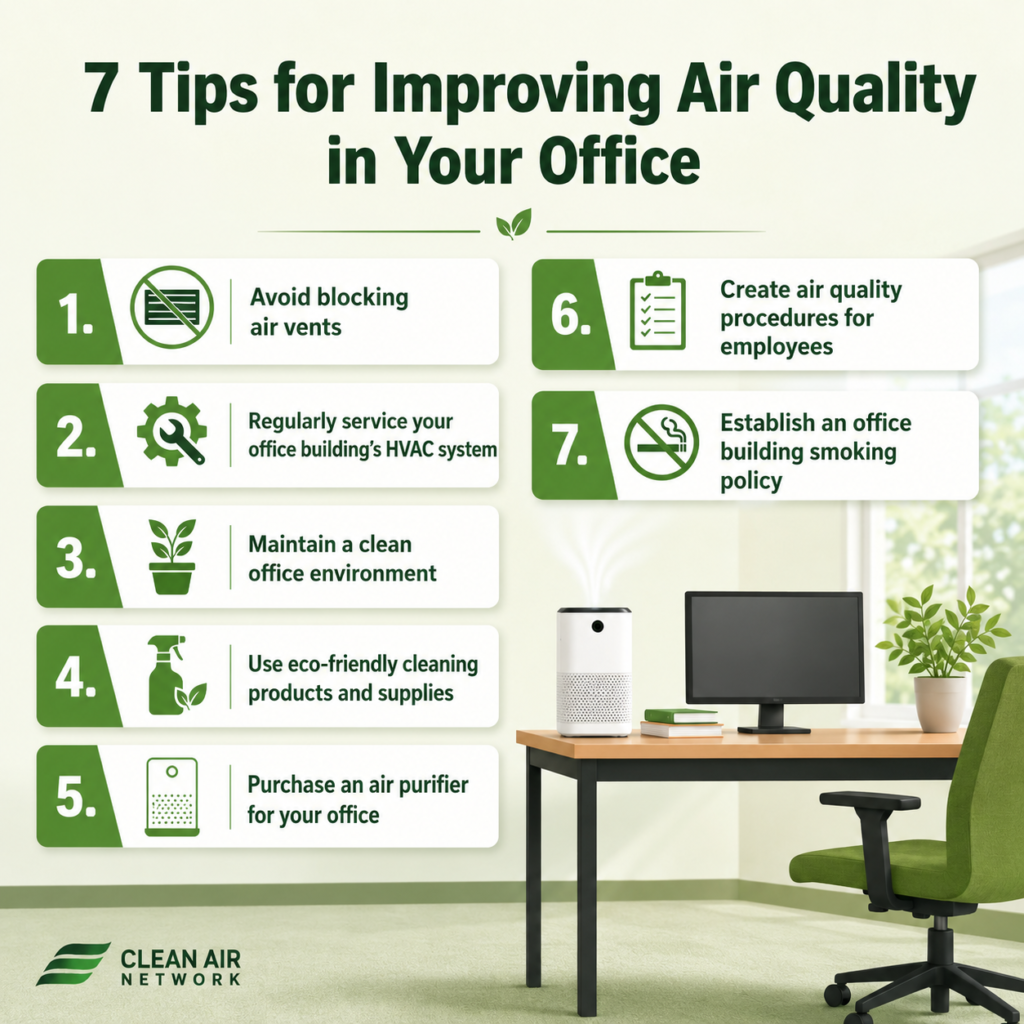
CAN's Indoor Air Quality Agenda
Advocate for mandatory IAQ monitors displaying real-time CO₂, PM2.5 and humidity readings in schools and offices, accessible to occupants.
Partner with education authorities to audit ventilation systems, install monitoring equipment and provide guidance to school management on IAQ improvement.
Work with employers to understand the productivity and health benefits of better indoor air, building a business case for voluntary improvement beyond minimum standards.
Push for legally binding indoor air quality standards in all public buildings, schools, hospitals and workplaces — not just voluntary guidelines.