
Clean Air Network

Programme Overview

Driving bold, evidence-based air quality legislation and enforcement across Uganda — from Kampala’s congested corridors to the kitchens of households relying on charcoal and firewood.

Why This Programme Exists

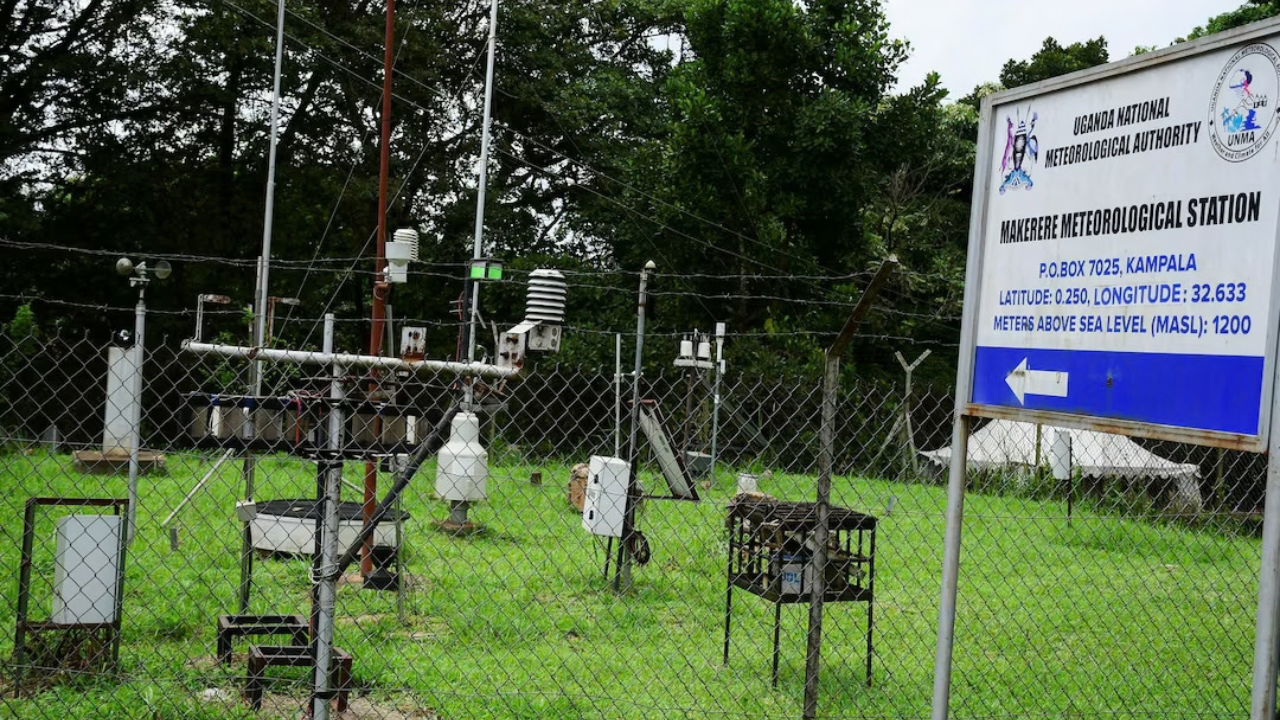
Ugandans are breathing some of the most polluted air in East Africa. A 2021 study by the Uganda National Institute of Public Health found that fine particulate matter (PM2.5) in Kampala runs roughly 5.3 times the WHO guideline, and AirQo’s open monitoring network keeps showing city-centre readings that breach safe thresholds day after day. Namanve, along Greater Kampala’s industrial corridor, has been named the most polluted pocket of the metro area as traffic emissions overtake industry.

Sources: UNIPH, The state of ambient air pollution, Kampala City, January– May 2021 · Daily Monitor · AirQo open network

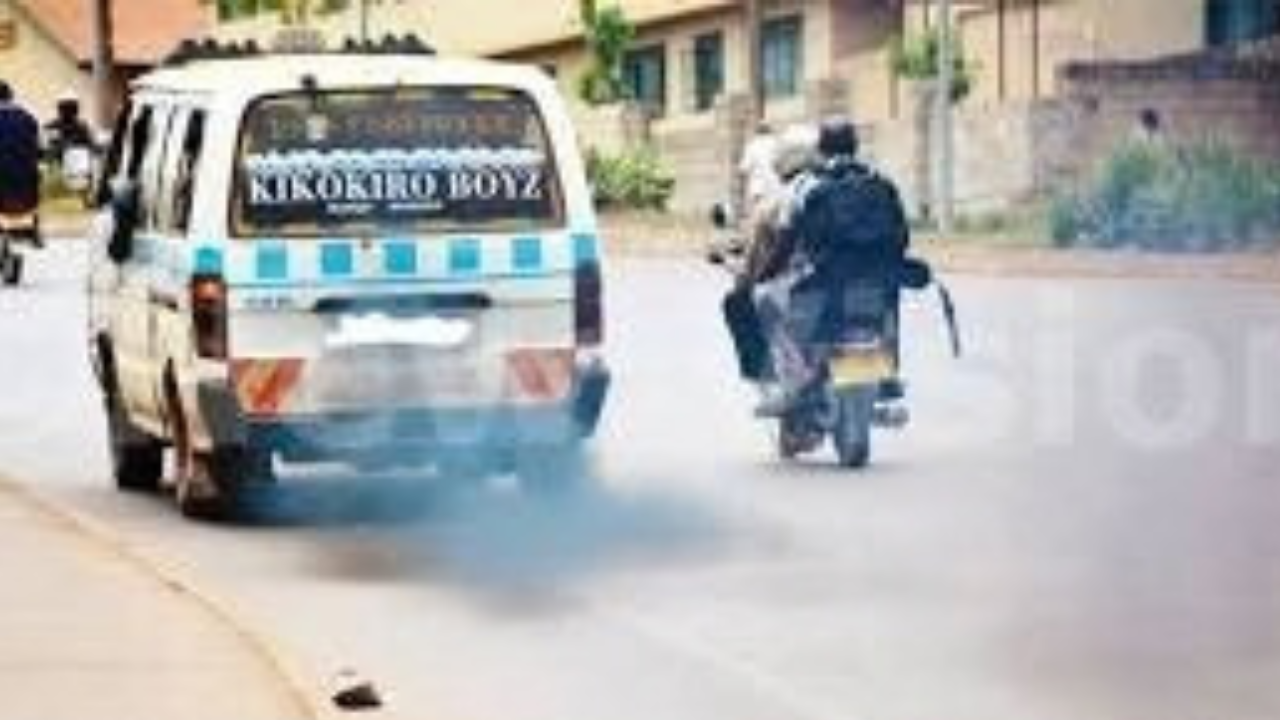
Behind every statistic is a lung. A 2025 peer-reviewed mortality study linked ambient PM2.5 in Kampala to thousands of preventable deaths each year, while boda-boda riders and market vendors spend ten-to-twelve-hour shifts in traffic plumes with almost no protection. Children, pregnant women and the elderly are paying the heaviest price.

Programme Pillars

The Advocate Policy Reforms programme bundles six mutually reinforcing workstreams that turn raw evidence into binding rules — and binding rules into measurable falls in pollution.

Evidence to Action

We translate AirQo, KCCA and UNIPH data into citizen-friendly briefs, parliamentary memos and mainstream news stories that decision-makers cannot ignore.

Citizen-Led Accountability

From boda-boda health screenings to school-zone PM2.5 dashboards, we put real-time air data into the hands of the people who breathe it — turning awareness into voting and consumer power.

Our reform agenda is anchored in the National Environment (Air Quality Standards) Regulations, 2024 gazetted by NEMA —Uganda’s first comprehensive ambient-air and emission standard. The regulations cover outdoor PM limits, industrial stacks, occupational exposure and vehicle emissions. They exist. They are not enforced.

Source: NEMA, National Environment (Air Quality Standards) Regulations, 2024 (Statutory Instrument 2024)

That gap is what this programme closes. We pair Parliament engagement (the Standing Committees on Environment and on Health) with the Kampala Capital City Authority’s own Clean Air Action Plan, launched during Air Quality Awareness Week 2022, so that national targets actually reach city-level budgets, by-laws and traffic- management decisions.

Voices from the Programme

Read all stories →
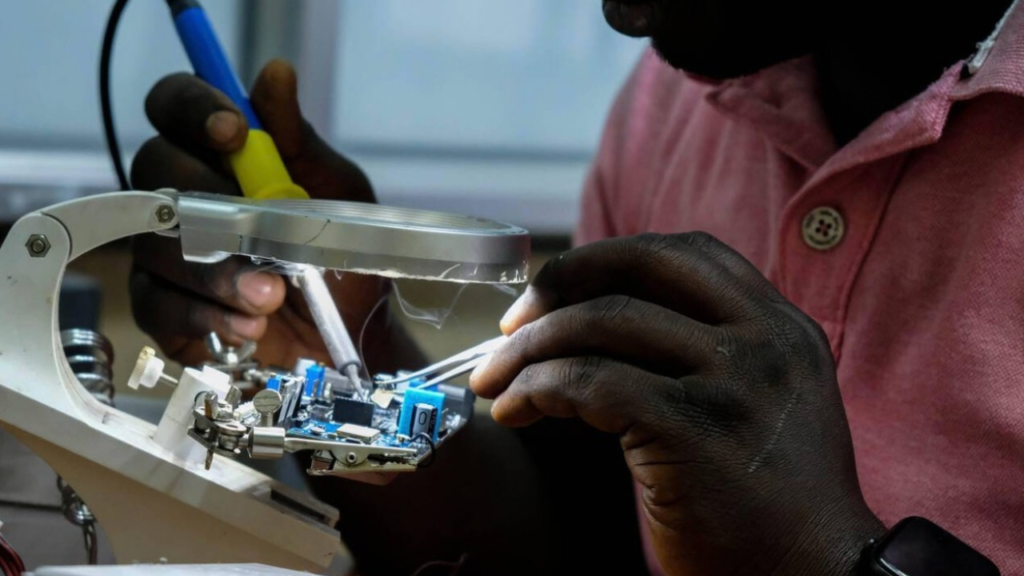
From sensor to statute: how a $150 device is shaping Uganda's 2024 air law

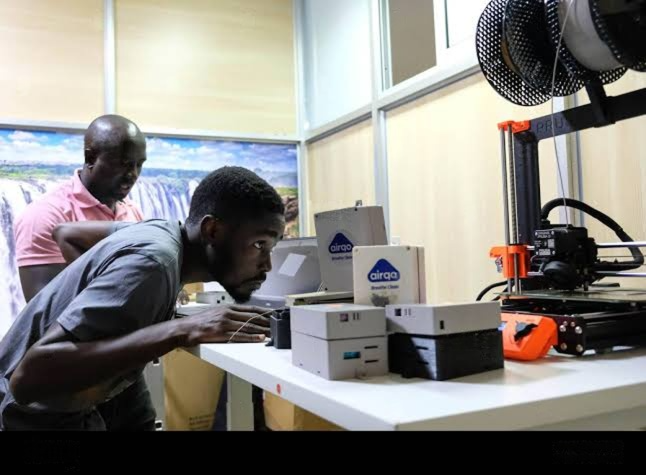
A short walk-through of the evidence chain — from a lowcost PM2.5 sensor, to a UNIPH bulletin, to clauses in the new regulations.

By Dr. Arthur M. — 7 min read

Why boda-boda riders are the missing stakeholders in NEMA's vehicle rules

Most of Kampala's twowheelers are second-hand petrol bikes. Here's what electrifying a quarter of the fleet would mean for lungs and livelihoods

By Sarah Z., KCCA · 9 min read
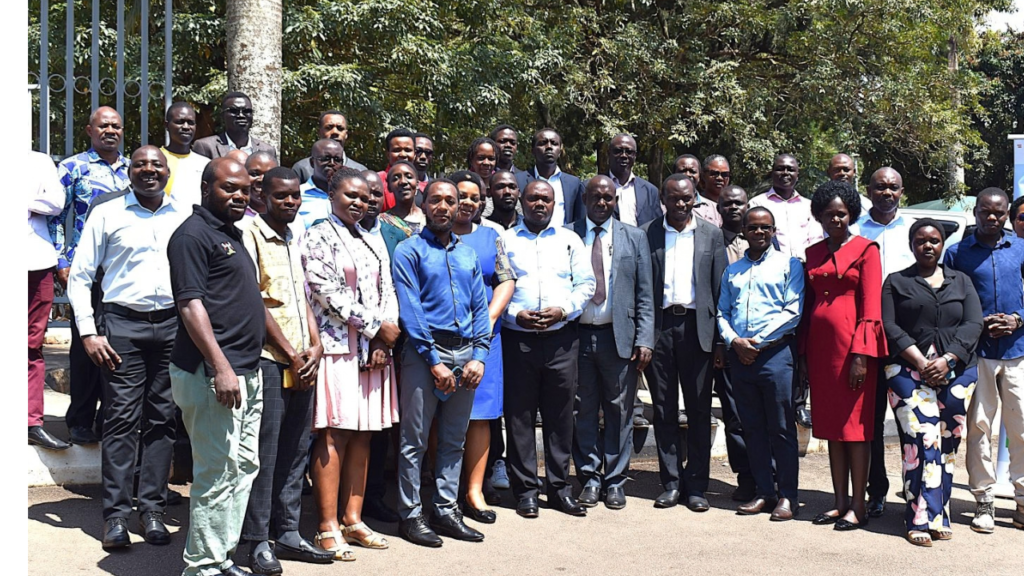
Cleaner kitchens, cleaner councils: scaling e-cook stoves in Luwero and Kasese

Household air pollution kills more Ugandans than outdoor smog. We profile two district assemblies rewriting their budgets around LPG and electric cooking.

By Grace A. — 11 min read